
How Atheists Mourn: Grief Without Belief in the Supernatural
By Janice Selbie, MPCC
Grief does not require belief in the supernatural.
The recent tragedy in Tumbler Ridge, BC, has shaken many of us. I have loved ones impacted by this loss, and like so many of you, I have felt that familiar drop in the stomach that comes when something unthinkable happens.
In the days that followed, I recorded a reel with a simple message: Atheists mourn. We mourn deeply, fully, and fiercely.
Grief is not owned by religion. It is owned by love.
Yet when tragedy strikes, public language often defaults to prayer, heaven, divine plans, or "God’s will." For some people, those words bring comfort. For others, especially those who have divorced religion or never believed, those words can create a second layer of pain. Not only are we grieving, but we can also feel invisible inside the dominant script of how grief is supposed to look.
So let’s say this clearly: Grief does not require belief in the supernatural.

Grief Is a Human Response, Not a Religious One
From a clinical perspective, grief is a neurobiological and relational response to attachment loss. When we bond with someone, our nervous system maps them as part of our safety structure. When they are suddenly gone, our brain experiences threat, confusion, and disorientation.
This happens whether or not you believe in an afterlife.
Anthropologists have documented mourning rituals across cultures, both religious and secular. What they share is not theology. What they share is community, memory, storytelling, and embodied expression. Humans gather. Humans cry. Humans speak names aloud. Humans sit in silence together.
That is mourning.
Where Atheists Sometimes Feel Alone
After Tumbler Ridge, I heard from caring people who said some version of this:
“I don’t believe in heaven. I don’t believe there’s a divine plan. So what do I say? How do I show up?”
When grief is framed primarily in religious language, non-believers can feel pressure to adopt words that do not reflect their worldview. Or we may feel we have nothing to offer if we cannot promise reunion in the afterlife.
Please note: secular grief is not empty; it is honest.
In the reel I shared, I said:
We mourn by showing up.
We mourn by sitting with each other.
We mourn by saying their names.
We mourn by holding hands in silence.
We mourn by bearing witness to this loss together.
These profoundly human actions are certainly not less than prayer.
What Secular Mourning Looks Like
If you are navigating loss without religious belief, here are some ways mourning may take shape:
1. Presence Over Explanation
Atheists may offer a statement like: “This is awful. Nothing makes this okay.” We do not need to solve grief. We need to accompany it.
Clinically, this is co-regulation. Nervous systems calm in the presence of other steady nervous systems. Sitting quietly beside someone can do more than any theological answer.
2. Memory as Immortality
Without belief in an afterlife, memory takes on sacred weight. We keep people alive through stories and photographs; through repeating their phrases, cooking their recipes, and telling children who they were.
Neuroscience tells us that recalling shared memories activates many of the same neural pathways as direct experience. In a very real way, remembering is relational continuity.
3. Rituals We Create
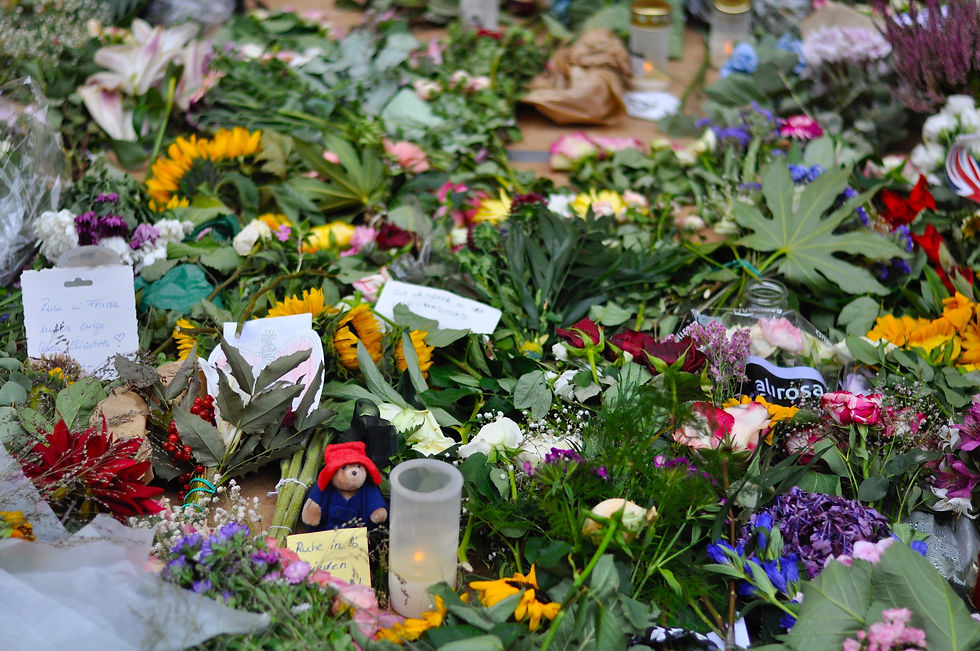
Secular people often invent rituals. Lighting candles. Planting trees. Organizing memorial hikes. Creating scholarships. Holding community gatherings where stories are shared.
Ritual is not inherently religious. It is structured meaning-making.
4. Moral Clarity Without Divine Narrative
When violence occurs, religious explanations sometimes reach for destiny or divine will. Atheists often respond differently. We say: this was a human act, and humans are responsible.
That clarity can be grounding. It can also fuel collective resolve to protect one another better.
The Hard Truth of Finality
One reason secular grief can feel especially sharp is that we do not cushion it with afterlife reassurance. Death, in a naturalistic worldview, is final.
And yet.
Finality can intensify love. If this is the only life we have, then the time we shared was infinitely precious. The laughter mattered. The ordinary Tuesday moments mattered.
In my counselling work with people recovering from high-control religion, I often see how beliefs about heaven were once used to soften pain. When those beliefs dissolve, grief can feel raw. There is no spiritual bypass. There is no “everything happens for a reason.”
But there is something else.
There is honesty, courage, and the willingness to stay present with reality as it is.
And that, too, is sacred in its own way.
Community Without Creed
After the Tumbler Ridge tragedy, I encouraged people to think less about the right words and more about the right posture.
Instead of “I’m praying for you,” you might say: “I am standing alongside you in this.”“I am so sorry this happened.”“Can I help with babysitting/meals/laundry service?"
Instead of promising heaven, you can promise presence.
Research in trauma recovery consistently shows that social connection is one of the strongest protective factors against long-term psychological harm.
Community is medicine. It does not require doctrine.
Atheists do not mourn alone. We mourn in community, just as humans always have.

For Those Who Feel Caught Between Worlds
Some of you reading this are newly deconstructing. You may be grieving while your family prays loudly around you. You may feel unable to say what you really believe.
It is okay to be quiet, to let others grieve in their way while you grieve in yours.
You do not owe anyone a theological performance.
Your grief is valid as it is.
Grief Is Evidence of Love
The depth of grief corresponds to the depth of attachment. It is the nervous system’s testimony that someone mattered.
Atheists love deeply. Therefore, atheists grieve deeply.
We mourn without invoking gods. We mourn without claiming divine plans. We mourn by showing up, by remembering, by building community, by protecting one another, and by refusing to look away.
In Tumbler Ridge and beyond, that is how we bear witness to loss.
Grief is human. And so are we.
About the Author
Janice Selbie, MPCC, is a clinical counsellor specializing in Religious Trauma Syndrome and recovery from high-control belief systems. She is the author of Divorcing Religion: A Memoir and Survival Handbook and the host of The Divorcing Religion Podcast. Janice works with individuals navigating identity loss, grief, and meaning-making after belief collapse.


Comments